I’ve been teaching art practices and guiding people in creating original work for over 30 years, but I had never taught a workshop focused solely on the act of creativity, until now.
Right up to the day of the workshop, I wrestled with which forms of practice would best help participants tap into their creative potential. I wanted something that would truly open doors for them.
I had prepared a formal structure, but in the workshop I let it breathe—moving in and out of the plan in response to what was happening in the room. I listened closely to the atmosphere and the people, allowing it to guide the flow.
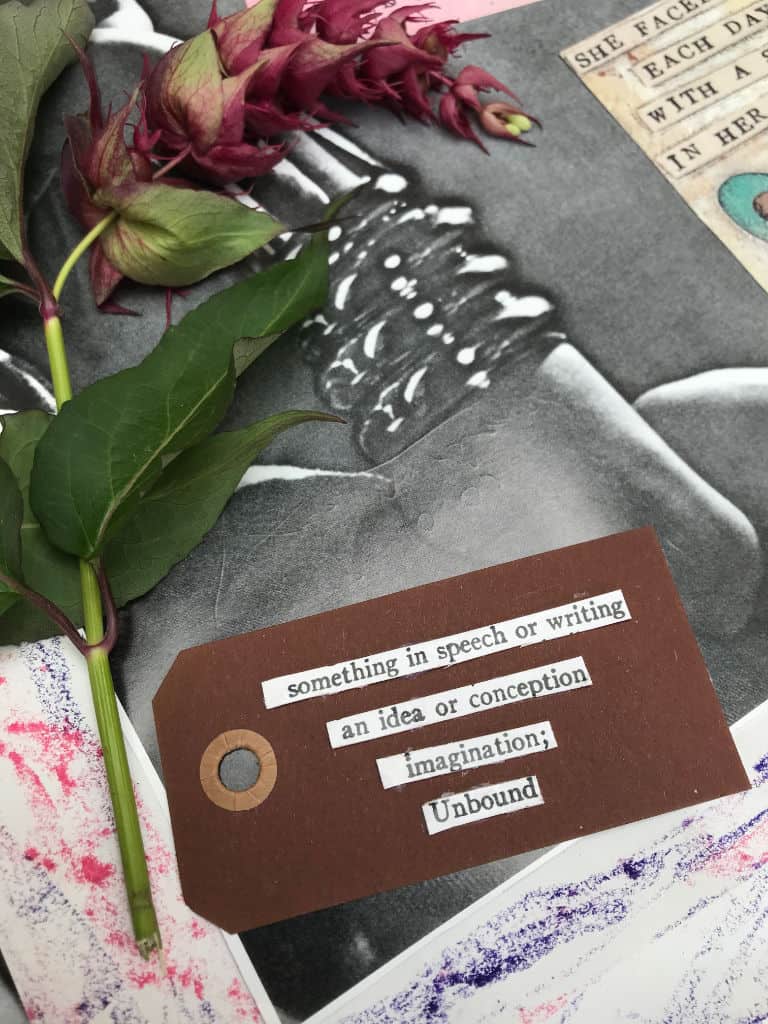
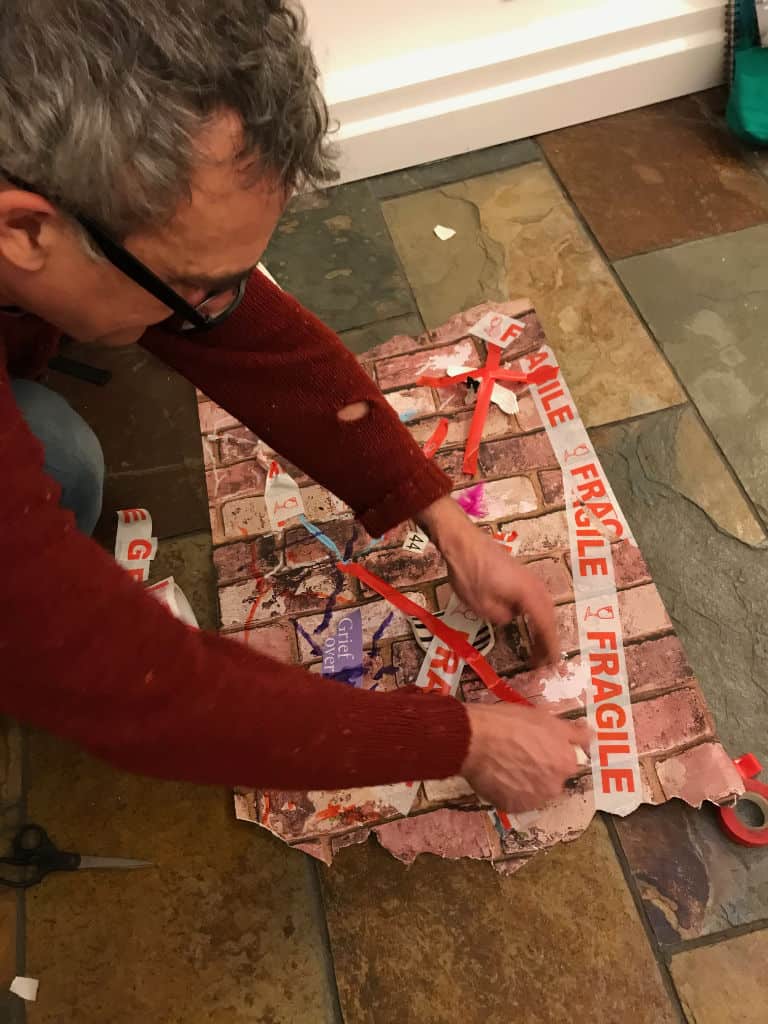
Throughout the day, we used many different entry points into creativity: music, writing, body work, sensory exercises, photography, collage, and even overheard snippets of conversation.
We explored the need for self-discipline and how creativity stretches far beyond art-making. Our work unfolded in three stages: preparation, exploration, and creation.
We discussed the flâneur (the observer of life) borrowing Charles Baudelaire’s term for the stroller who notices the textures and rhythms of modern life. We talked about choreographer Pina Bausch, who used her dancers’ scars to reveal their life stories on stage. We acknowledged the power of music in shaping mood and atmosphere, and how that energy feeds the making process.
In the final two hours, each participant created a “creative map” drawing on the day’s influences and their own personal history. Every map was unique—deeply personal yet resonant for the group. They were rich with possibilities for future work and full of connections we could all feel.